Free vs Paid Lightroom Presets: What Actually Differs
Most paid packs sell organisation and variety, not magic. Here is how to tell a good free preset from a bad one.
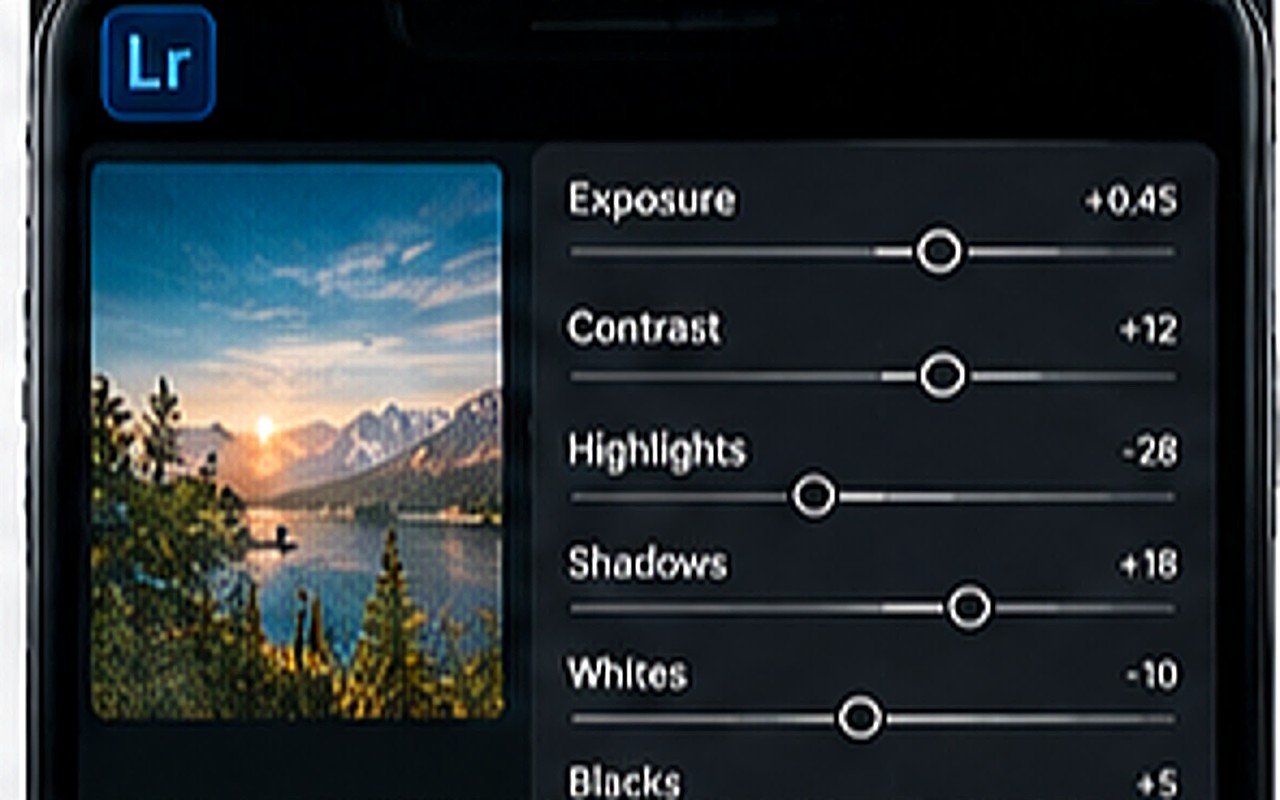
This is framed as a rivalry online, but the two apps barely overlap. Lightroom changes the light and colour of a photo you already have. PicsArt changes what is in the photo. Most good mobile edits use one for each half of the job.
Lightroom is a colour and tone tool with a non-destructive history. Exposure, white balance, tone curves, per-colour adjustment and preset reuse are its strengths, and it handles RAW files from phone Pro modes properly. If your goal is a look, this is the app.
PicsArt is a compositor: cutouts, layers, text, stickers, PNG overlays and shapes. It is the right app for thumbnails, posters, photo manipulation and anything with type on it. Its colour tools exist but are blunt compared with those in Lightroom.
Grade first, compose second. Finish colour in Lightroom, export at full resolution, then bring that file into PicsArt to cut out, layer and add type. Working the other way around means re-grading a flattened composition, which rarely survives.
Tip. Never move a file between apps more than twice. Each save re-compresses it.
Both apps are usable free and both push subscriptions. The free tier of Lightroom covers the whole grading workflow described here; masking is the main paywalled feature. The free tier of PicsArt covers cutouts and layers, with watermark-free export and some assets behind the paid plan. Neither free tier blocks you from finishing a good edit.
No. DNG presets are read by Lightroom. Grade in Lightroom first, export, then composite in PicsArt.
Lightroom, if your photos mainly need to look better. PicsArt, if you need cutouts, text or thumbnails. Learning Lightroom first tends to teach more transferable skills.
Not for the workflows on this site. The free tiers of both apps cover grading, cutouts and layering; paid plans mainly add masking, cloud sync and asset libraries.
Most paid packs sell organisation and variety, not magic. Here is how to tell a good free preset from a bad one.
Pick two light conditions, one grade and one crop rule. That is most of it.
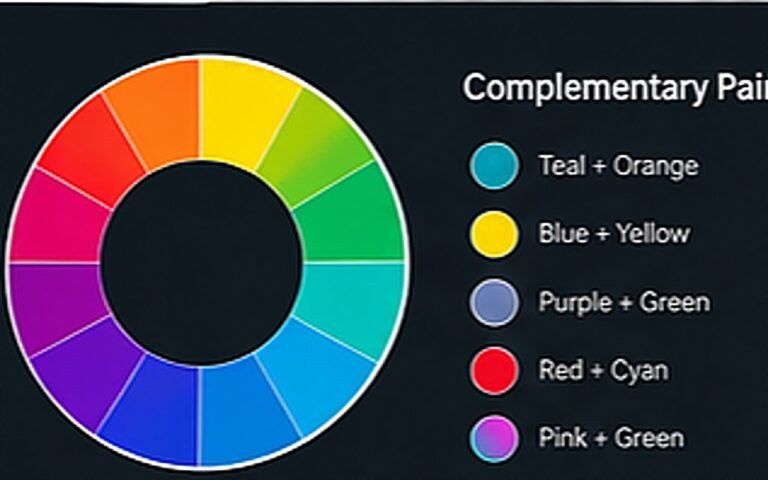
Why teal and orange works, and three other pairs that do the same job differently.